A reviewer you choose
A private link, comments on a paragraph, and a decision recorded under their name.
ApprovedSharia reviewer
Changes requestedAuthor
Books · Religion
For Islamic publishers taking classical texts into English, and for Christian publishers taking books into Arabic. Your Sharia or theological reviewer opens the book through a private link, comments, and records a decision under their own name.
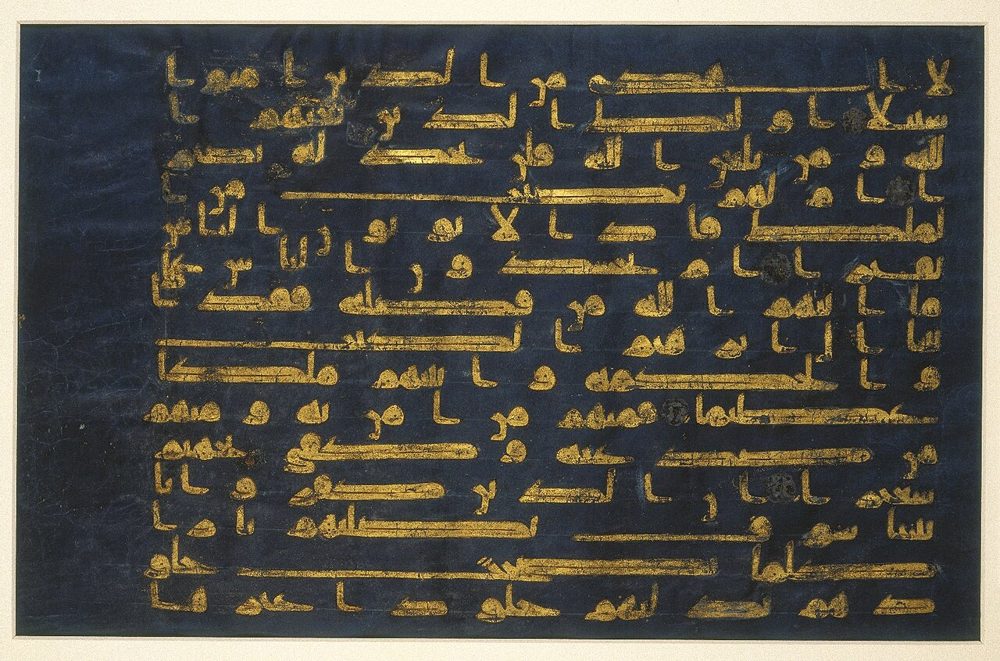
From Abd al-Rahman al-Kawakibi’s Taba’i‘ al-Istibdad (“The Nature of Despotism”), 1902, a political treatise in the public domain, at the sentence where it quotes a saying it calls a hadith. The English is Tarjum’s output with no human edit, taken from the comparison on our home page. There a free online translator gives the saying’s first word, ikhshawshinū, as “Be careful”. It means “live roughly”.
When an English book quotes the Bible, the verse is not re-translated from the English quotation. It returns in the wording of the Arabic Bible you choose, with its reference, and your reviewer sees it before deciding. What the author paraphrased stays in the author’s words. Checking Quran verses and hadith is coming soon, and the examples below show how it will work.
ٱلرَّبُّ رَاعِيَّ فَلَا يُعْوِزُنِي شَيْءٌ.
Literally: “The Lord is my shepherd, so nothing shall I lack.”
The verse is set in the words of the Bible translation you chose, and keeps its chapter and verse.
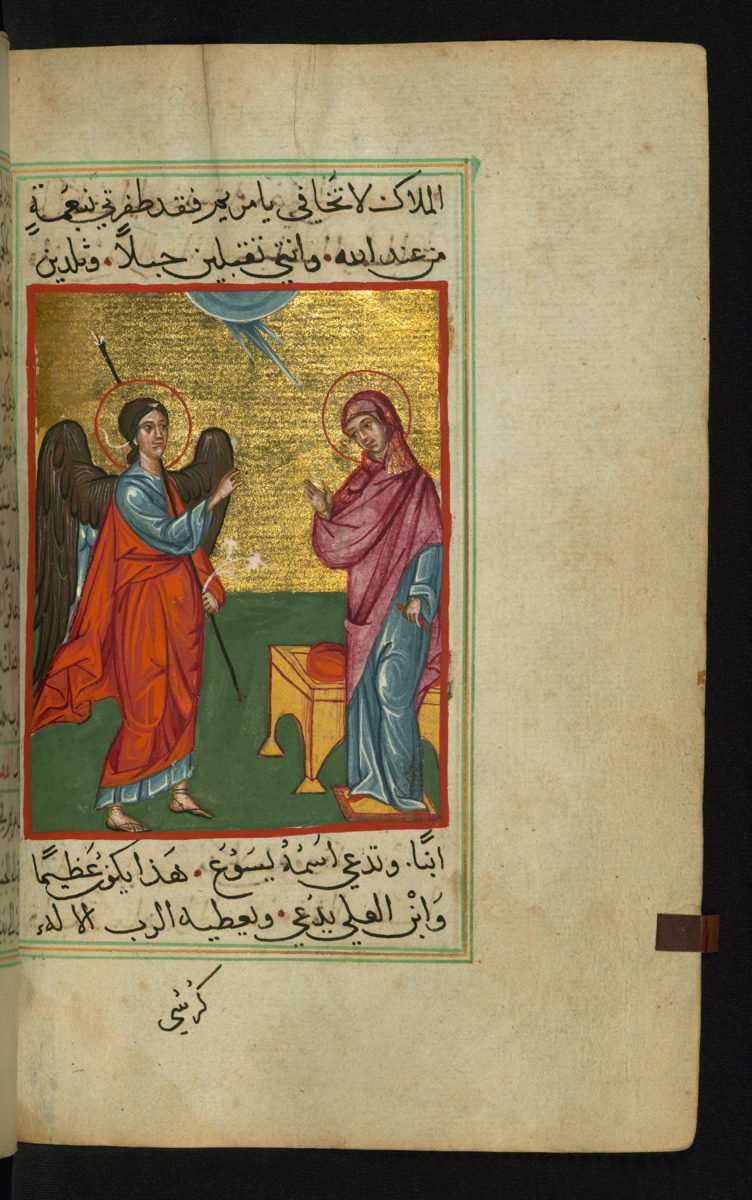
فِي ٱلْبَدْءِ كَانَ ٱلْكَلِمَةُ، وَٱلْكَلِمَةُ كَانَ عِنْدَ ٱللهِ، وَكَانَ ٱلْكَلِمَةُ ٱللهَ.
Literally: “In the beginning was the Word, and the Word was with God, and the Word was God”, with “was” in the masculine.
This translation gives “the Word” a masculine verb, and that is how it stays. Nobody corrects it to the feminine.
كما يذكّرنا المرنّم، لا يعوزنا شيء حين يقودنا الرب.
Literally: “As the psalmist reminds us, we lack nothing when the Lord leads us.”
A paraphrase is not swapped for the verse. It stays in the author’s own words.
This works today for Christian books, with the Bible translation you choose. From Arabic into English, the same check works with the English Bible translation you name.
﴿لَا يُكَلِّفُ ٱللَّهُ نَفْسًا إِلَّا وُسْعَهَا﴾
Literally: “God does not charge a soul except with what is within its capacity.”
The verse is not translated back from the English. It returns in its own words, with its place in the Quran.
إِنَّمَا الْأَعْمَالُ بِالنِّيَّاتِ، وَإِنَّمَا لِكُلِّ امْرِئٍ مَا نَوَى
Literally: “Actions are only by intentions, and every person shall have only what he intended.”
A hadith comes down in versions whose wording differs, so your reviewer sees what the sources record and chooses. In Sahih Muslim (1907):
إِنَّمَا الأَعْمَالُ بِالنِّيَّةِ وَإِنَّمَا لاِمْرِئٍ مَا نَوَى
Literally: “Actions are only by intention, and a person shall have only what he intended.”
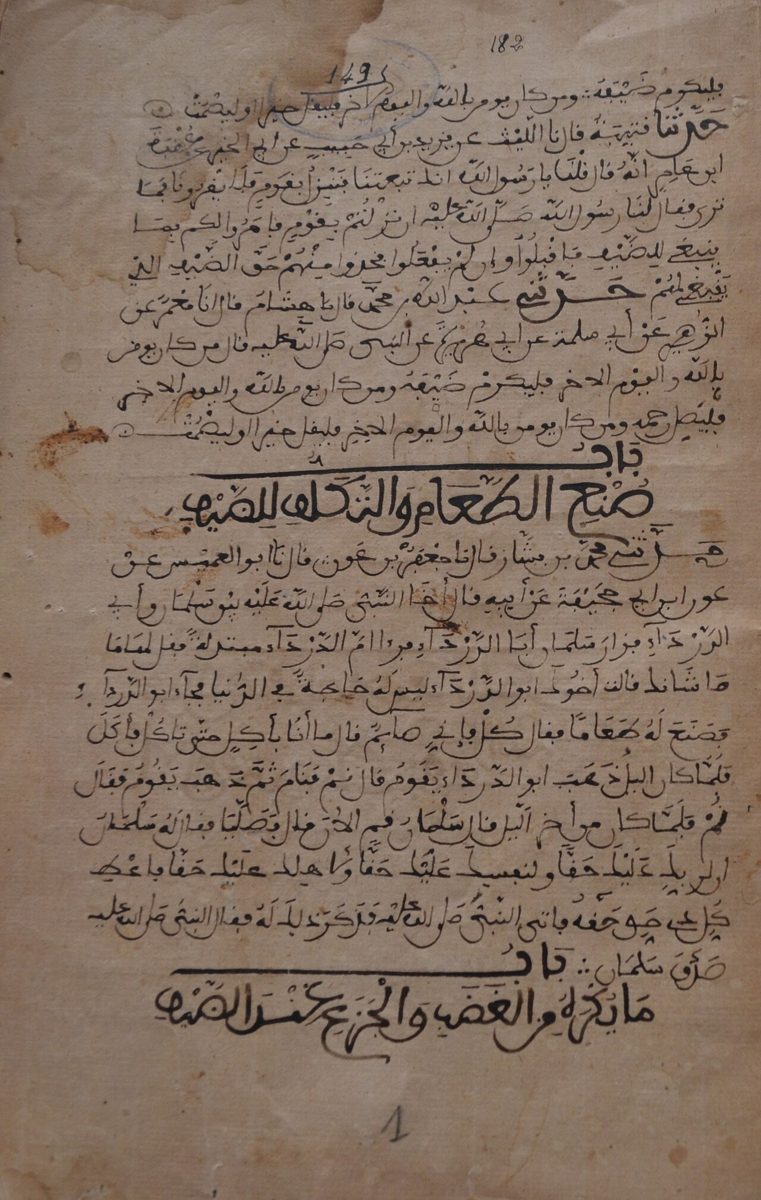
Checking Quran verses and hadith is coming soon to Tarjum; the text here shows what it will do. In a book going from Arabic into English, the verse will keep its own Arabic words, shown with the English translation you choose. We do not offer a new translation of the meanings of the Quran.
A private link, comments on a paragraph, and a decision recorded under their name.
The reviewer settles each term once, so a word of doctrine does not change from one chapter to the next.
In Christian books, Bible quotations keep the wording of the translation you choose, and what the author paraphrased stays as written.
Checking quoted Quran verses and hadith is coming soon.
A reviewer you choose, such as a shaykh, a priest or a committee, or one we choose with you.
We do not offer a new translation of the meanings of the Quran. This page is about books that quote it.
Yes, from Arabic into English and from English into Arabic, with the same review.
First we agree on who reviews and how they record their decision, then we start.
The trial: 14 days and 10,000 words, about 40 pages, no card needed. Upload a file or a chapter within that limit, and we will agree on a longer book with you.